The room you have decides which of these ideas fits, because many of them borrow space from somewhere: a closet, a staircase, a hallway niche, a bedroom corner, the end of a kitchen, or a living room wall.
The range runs from layered lighting and a clear desktop to a wall bed with a fold-down desk, which usually means installation.
Renters can stay on the cheap end with removable hanging strips and peel-and-stick wallpaper, while owners can build in. Pick the spot first, then the desk.
1. The Nook, Alcove, or Understairs Space
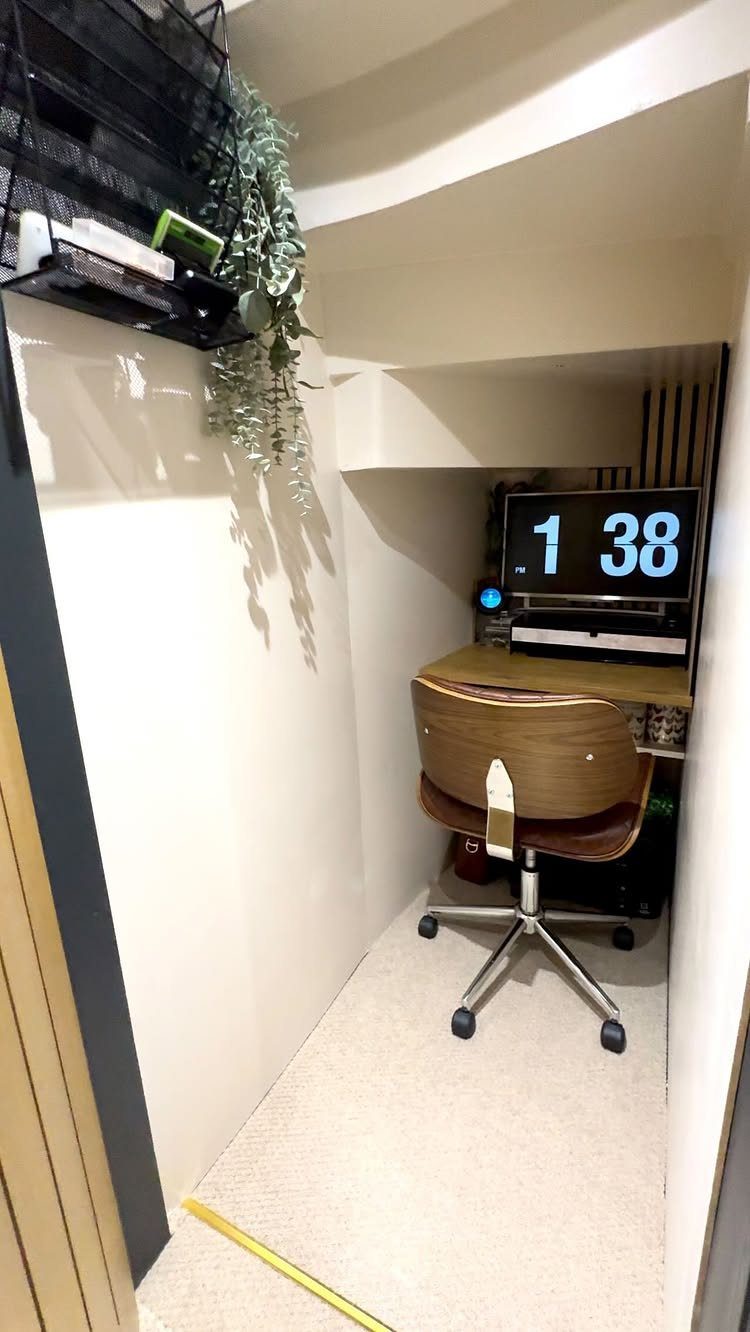
Dead space under a staircase is usually deep enough for a desk and nothing else, which is fine for a workspace.
Choose a narrow desk that sits flush with the back wall so the chair can tuck in fully and stay out of the walkway.
A wall-mounted shelf above the desk, in black or any dark finish that matches the hardware, keeps the floor clear and gives plants somewhere to live.
Slanted ceilings make head clearance the limit, so sit in the chair before you commit to a shelf height.
2. Compact Desk
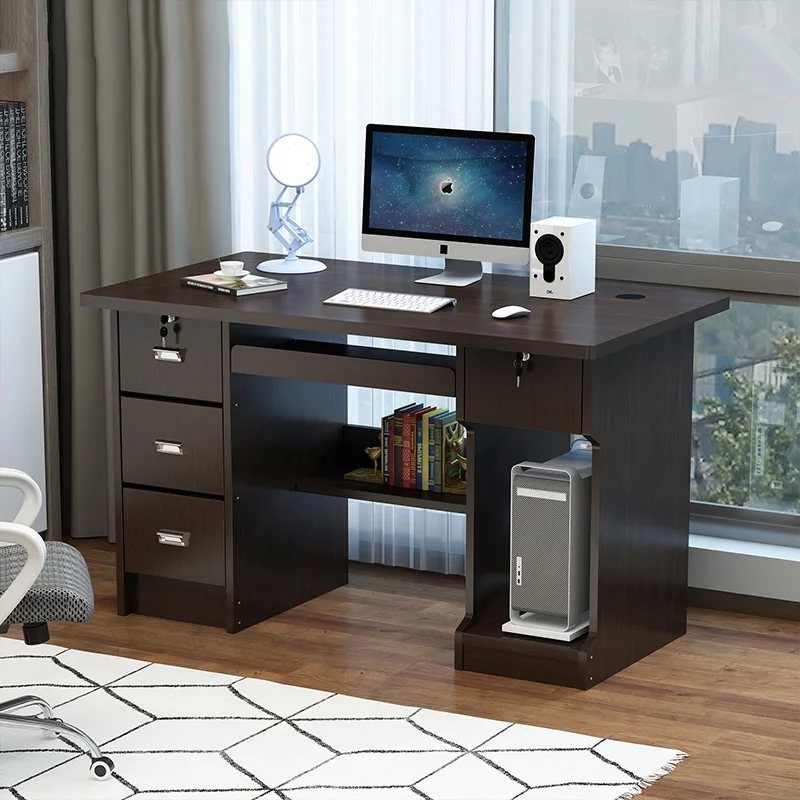
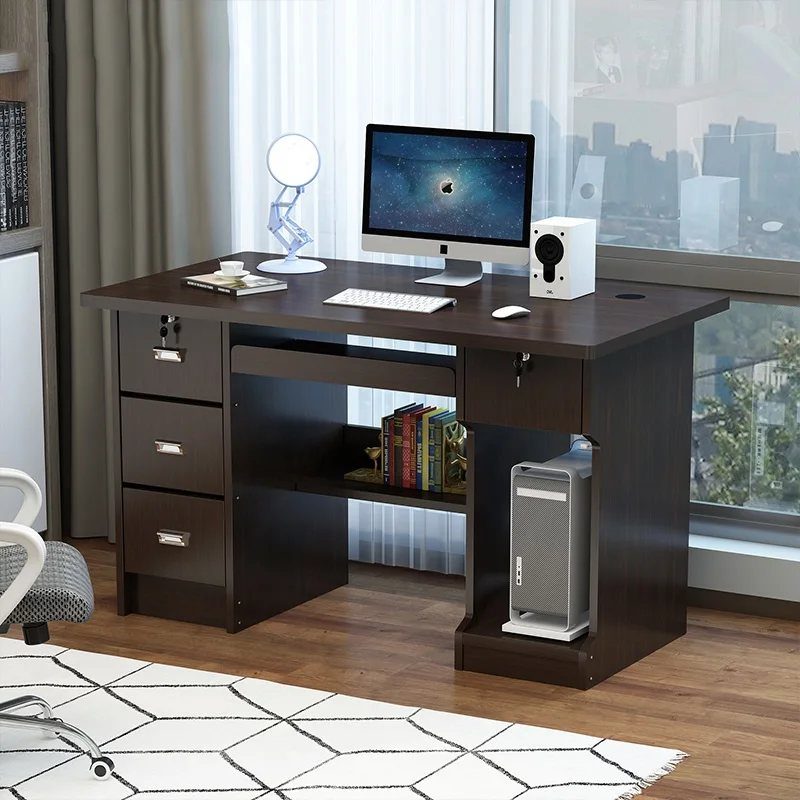
A desk that holds a monitor, keyboard and mouse and little else is all a small room needs.
Dark wood reads heavy, so I would pair it with a light rug and keep the wall behind it clear, which lets a window or pale surface do the work of opening the room.
Measure the space before you shop, then pick the shallowest desk that still fits your screen at a comfortable distance. Spend the savings on a better chair.
3. Layered Lighting
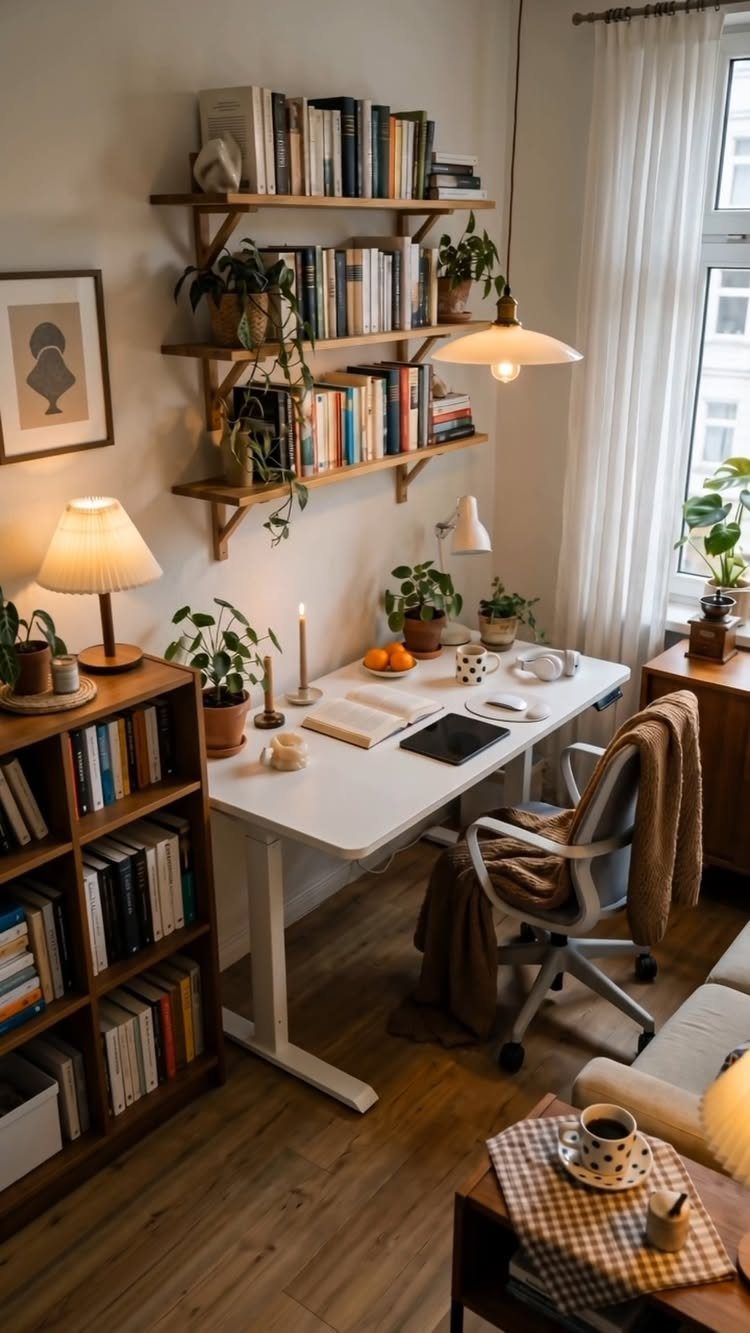
One ceiling fixture will flatten a small office and leave your desk in shadow.
3 sources fix that: a lamp on the desk for task work, a softer lamp on a shelf, and a third low light to wash a wall.
Warm bulbs keep the room from feeling like a cubicle.
Plug-in lamps cost little and need no electrician, which suits renters. Placing one light near the bookshelves also makes the shelves look intentional.
4. The Closet Office
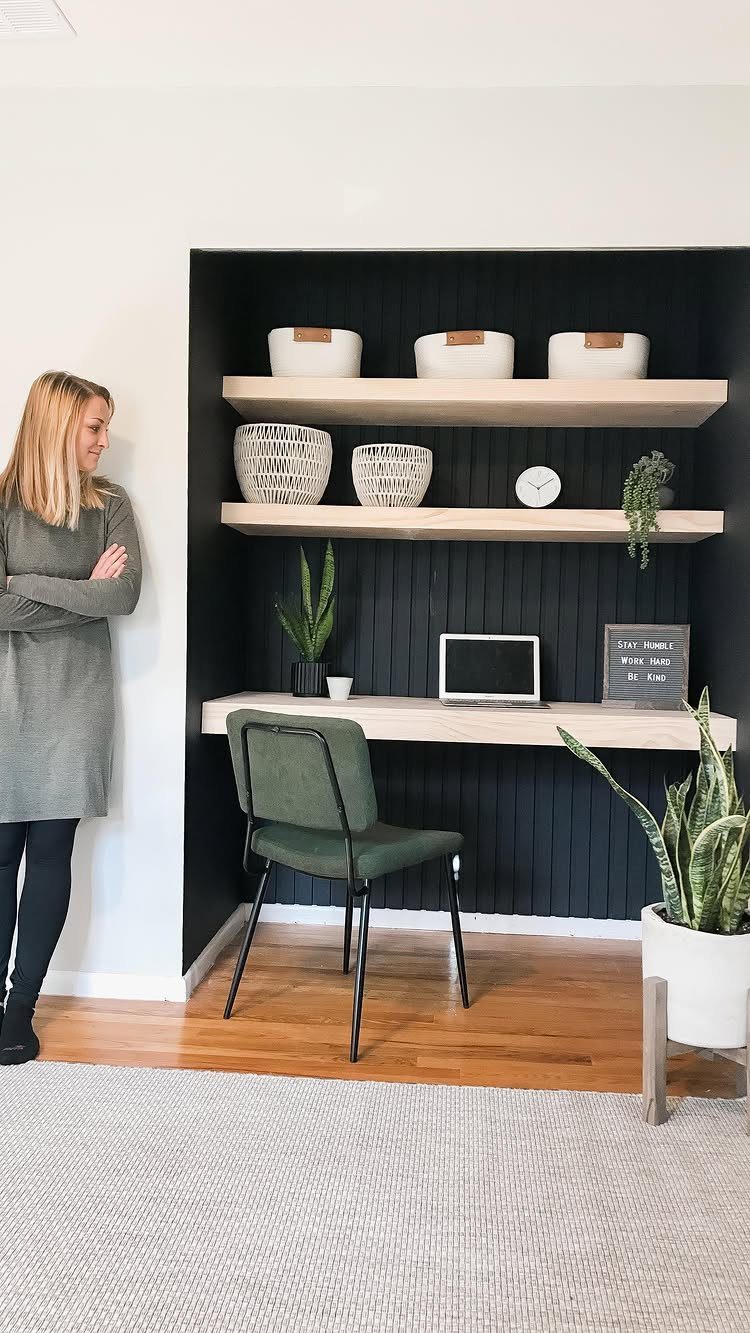
Closet offices work because the doors close and the mess disappears with them. Pull out the rod and shelves, then fit a desk-height shelf across the back wall and add floating shelves above it.
A dark wall color, such as navy behind wood slats, makes the closet feel deliberate rather than leftover.
Add a small lamp, since closets rarely have good light. Check that a laptop and your elbows fit before you cut anything.
5. The Bedroom Desk
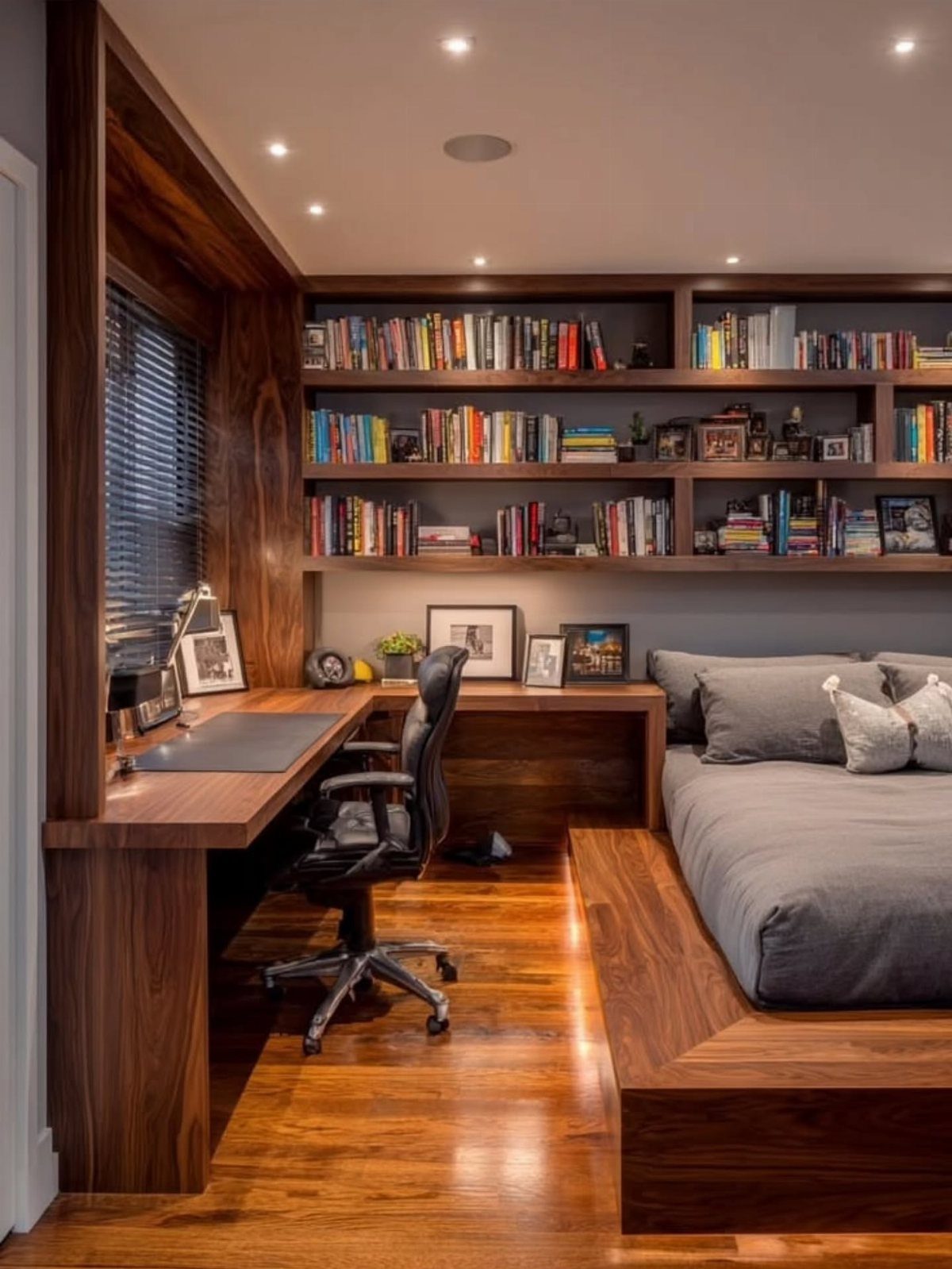
Working where you sleep can wear on your rest, so the desk should face away from the bed if the room allows it. A built-in desk with shelves overhead keeps everything on one wall and leaves the bed side calm.
I like a platform bed here, since the clean lines stop the room from looking cluttered. Clear the desktop before you leave for the night, so the last thing you see in the bedroom isn’t work.
6. Personal Touches
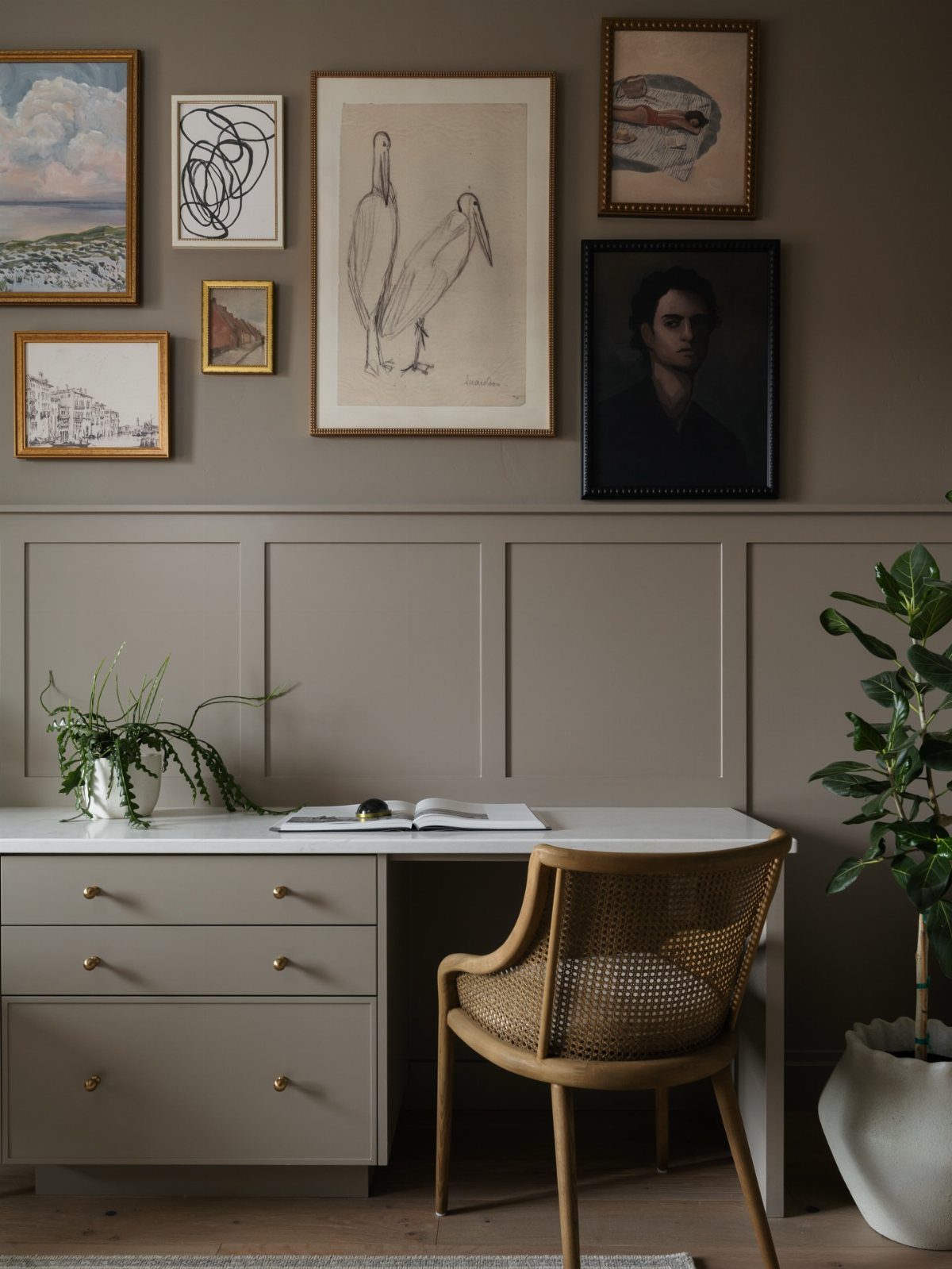
A plain desk becomes yours with a gallery wall, a plant and a chair with some texture. Start with the frames: mix sizes, keep one color family, and lay them on the floor before you hang anything.
Keep the art at eye level when you’re seated, because that’s where you’ll actually look.
Removable hanging strips protect rental walls. Add a plant last, and choose one that tolerates your light.
7. Proper Task Chair
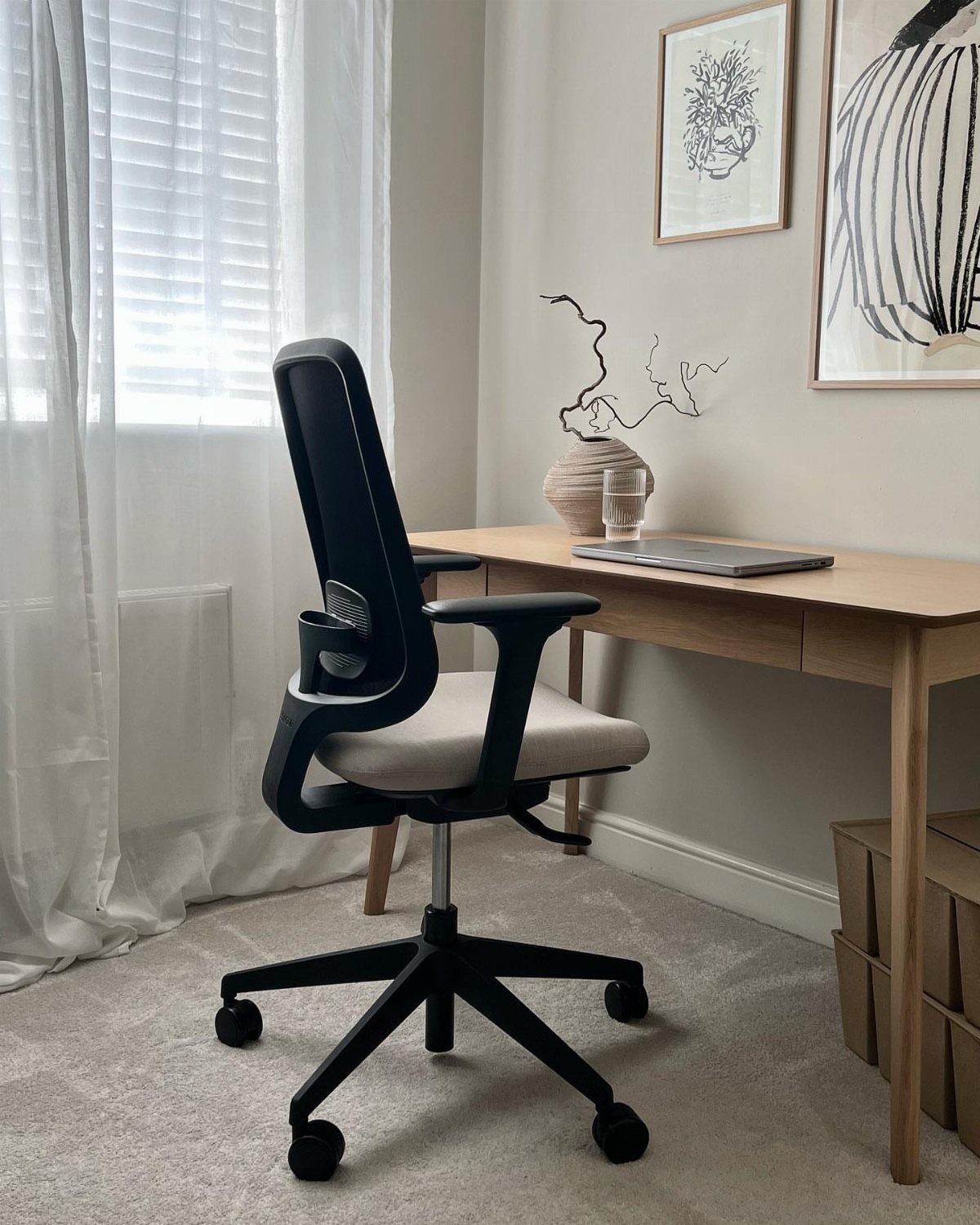
A chair decides how long you can work in a small room, and it takes up the same floor space whether it’s good or bad.
Look for adjustable seat height and a supportive back, then test it with your feet flat and your forearms level with the desk.
Black fabric with a beige panel hides wear and sits quietly beside a light wood desk. If the budget is tight, I would buy a modest desk and put the money into the seat.
8. Vibrant Prints
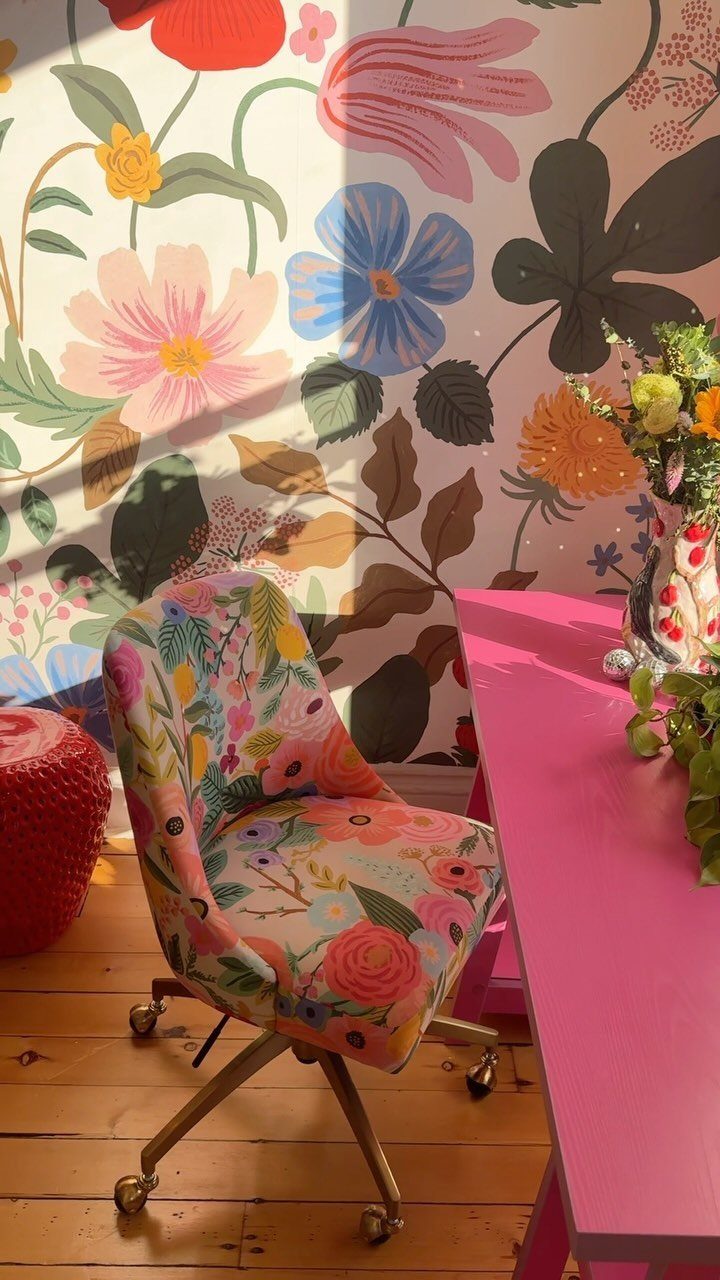
Pattern works in a small office when it covers one surface boldly instead of being scattered around.
A large floral wallpaper on the wall behind the desk becomes the first thing your eye lands on in a small room, and a chair in a matching or related fabric pulls the look together.
The creator of this room wrote that she has finally accepted that this is just who she is, which is a good attitude to bring to pattern.
Peel-and-stick wallpaper suits renters. Keep the desk a flat, solid color so the wall does the talking.
Hostess-with-the-mostest Rebecca Gardner wedged a home office into the corner of her pink living room, though you’d barely notice thanks to all of the maximalist accessories.
9. The Hallway Niche
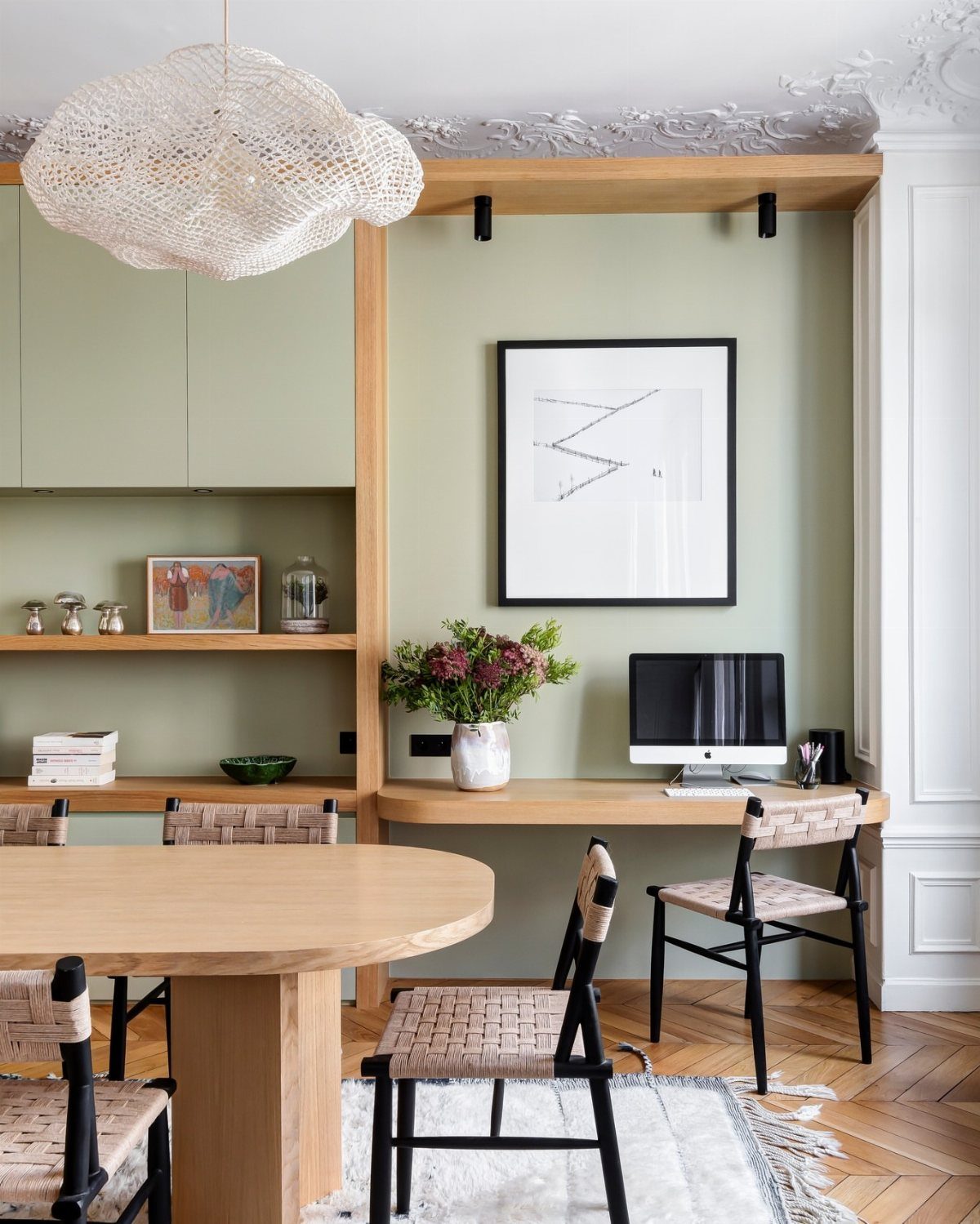
A hallway niche or wall recess can hold a full desk if you paint it as its own zone.
A light green on the back and side walls marks the workspace apart from a neighboring dining area, so the desk reads as a deliberate spot.
Fit a shelf or two above the desk to use the height. Keep the chair tucked in when you finish, so the niche doesn’t crowd the walkway or the table beside it.
10. Wall Bed with a Fold-down Desk
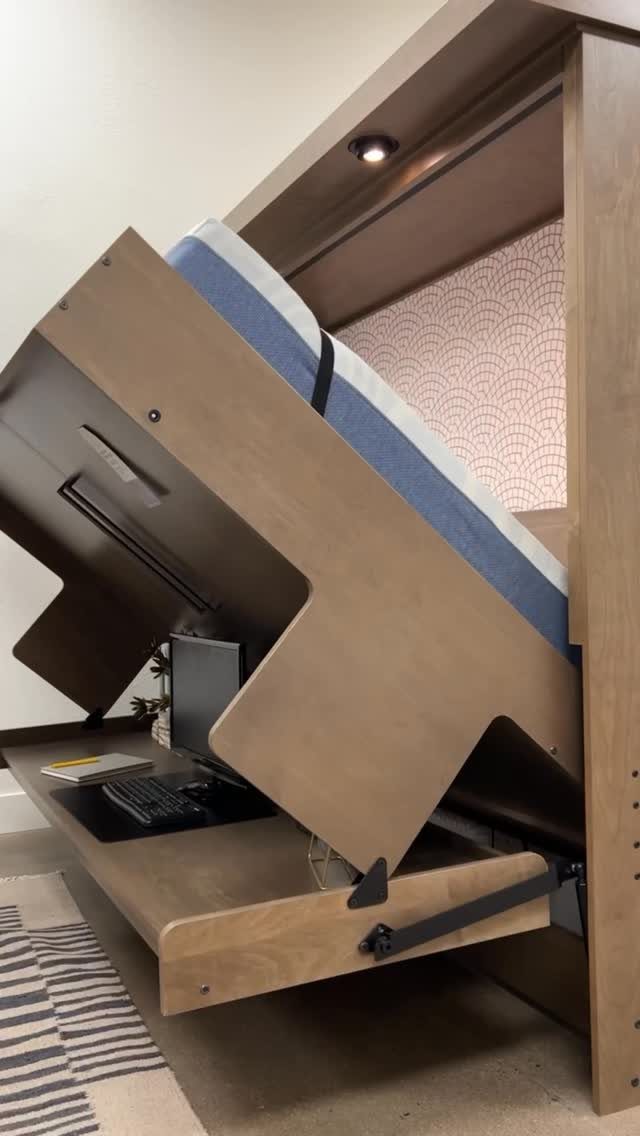
A wall bed with a desk built into its underside gives you a bedroom or guest room by night and an office by day.
Lower the bed and the desk is hidden behind it; raise it and the work surface is ready.
This costs more than a plain desk and usually means installation, so I would pick it only if the room has to sleep guests.
Clear the desktop before folding the bed up, and check what the mechanism will carry before you leave a monitor in place.
11. Add Vertical Shelving
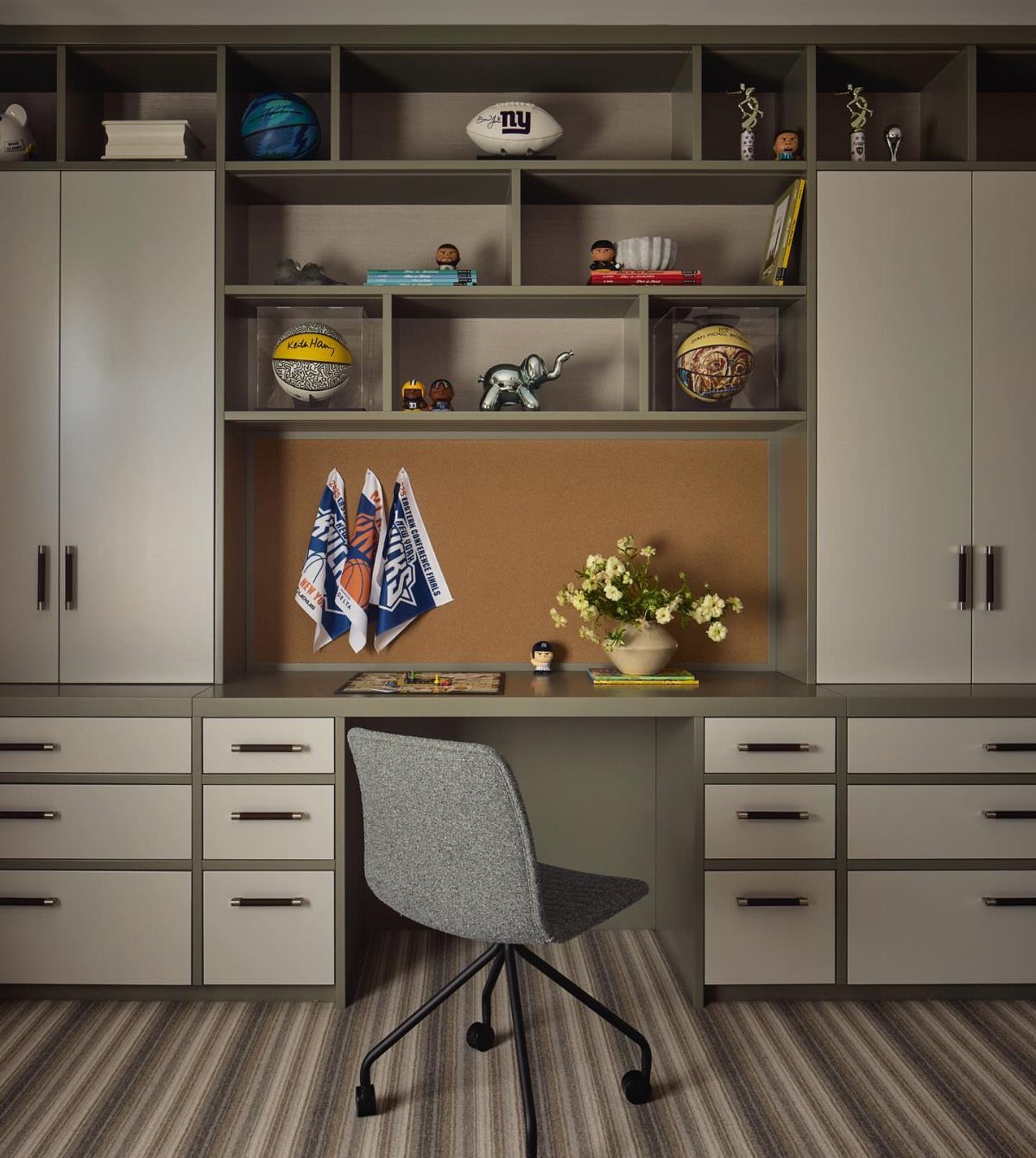
Wall space is free storage, and a built-in unit with open vertical shelves above the desk and drawers below puts it to use. Shelving that runs toward the ceiling holds books, frames and keepsakes without eating floor area.
Grey keeps a big unit from overpowering a small room.
Leave a few shelves partly empty, because a wall packed edge to edge feels heavy. Put the things you reach for daily at arm height and the rest higher up.
12. The Living Room Setup
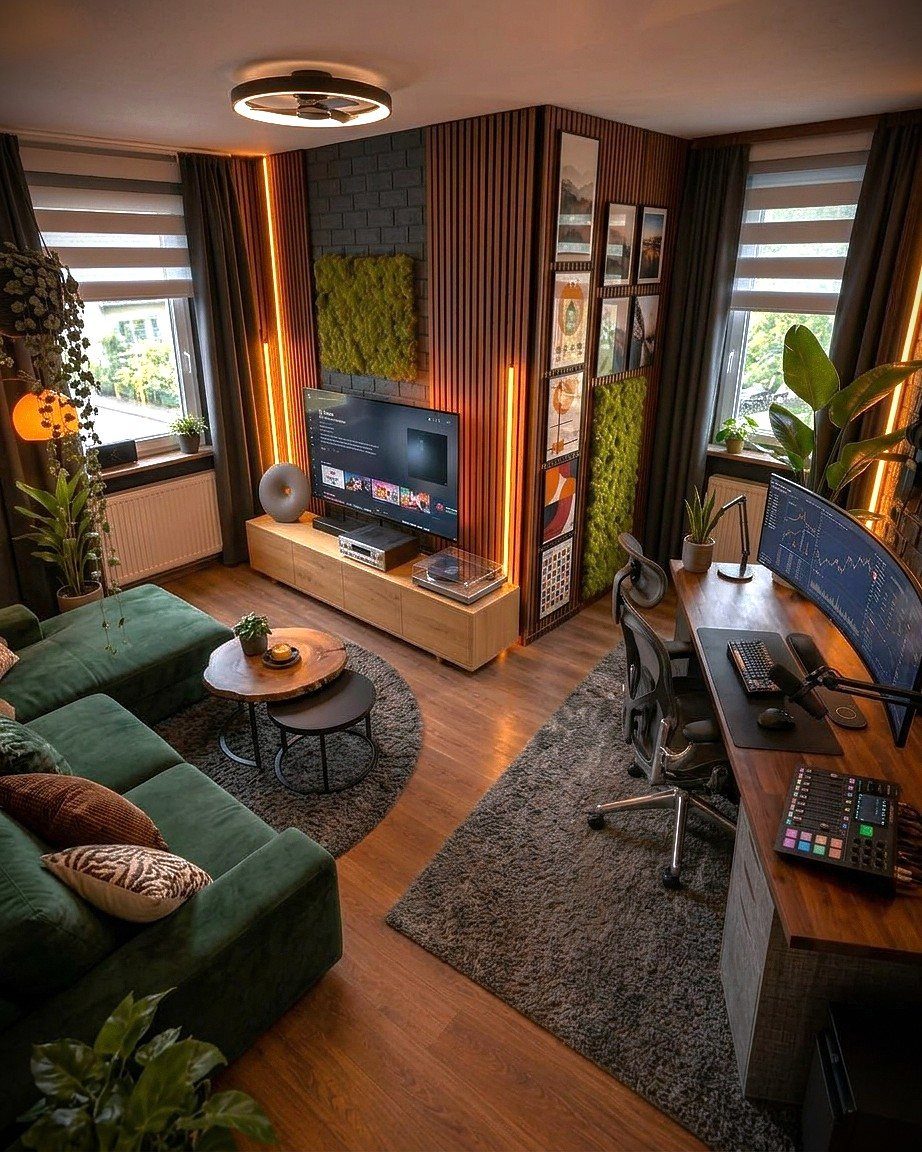
A desk along one wall of the living room works when it has its own backdrop.
Wood-slat panels behind the monitor set the workspace apart from the sofa and TV, and warm accent lighting makes the corner feel like part of the room.
Pick a desk that matches the room’s wood tones so it looks planned.
Keep cables tidy and papers in a drawer, since the sofa sits in view of your work all day. A few plants soften the setup.
13. Luxe Textures
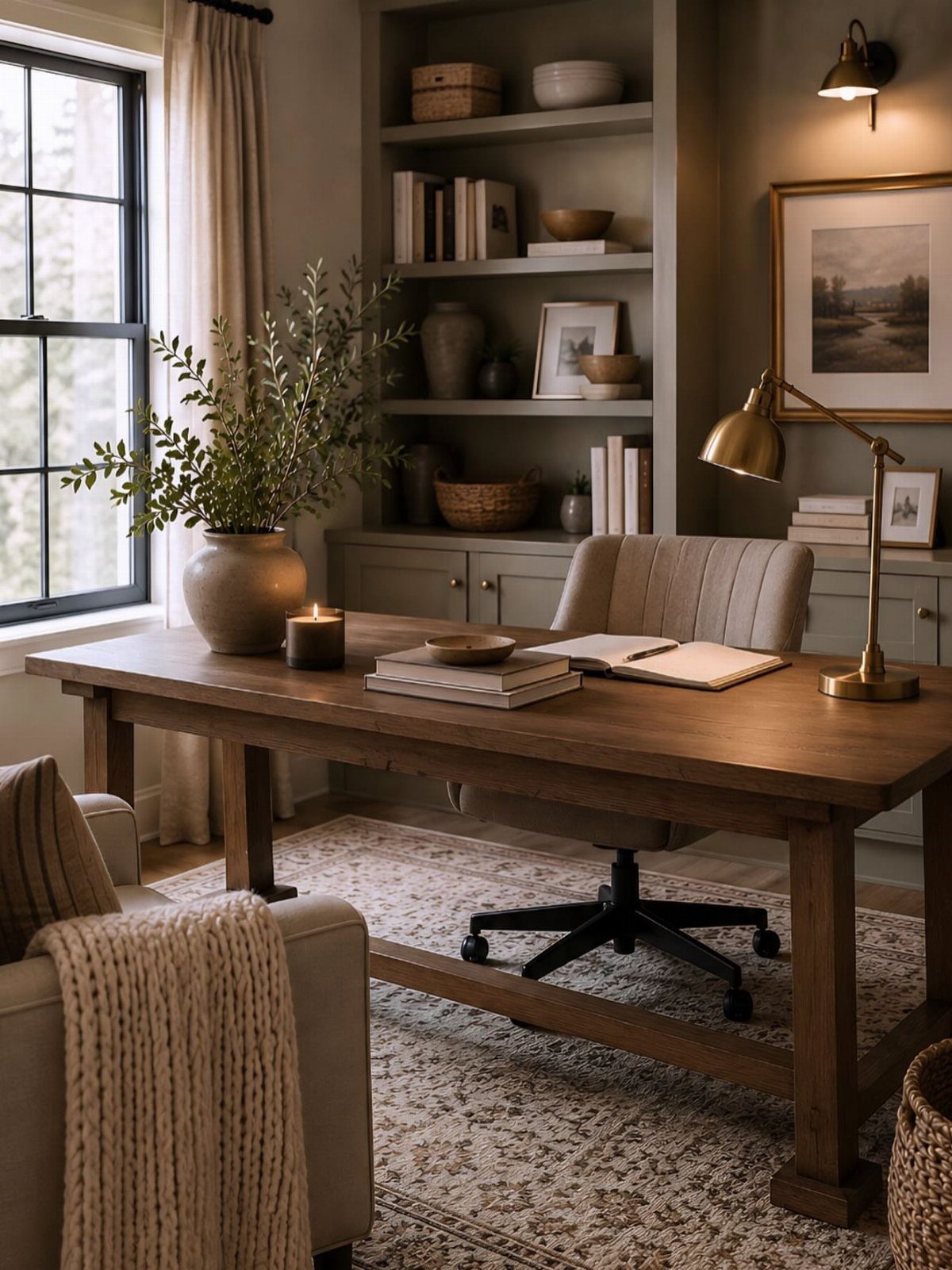
Texture does the work color usually gets asked to do. A ribbed fabric chair against a smooth wooden desk gives the eye 2 surfaces to read, and a textured rug underneath adds a third.
Keep the palette quiet, so the layers feel calm instead of busy. Ceramics on the shelves add a hard, glossy surface next to all that softness.
Start with the chair and rug, since they cost the least to swap, and add pieces only until the room feels warm.
14. Consider Natural Light
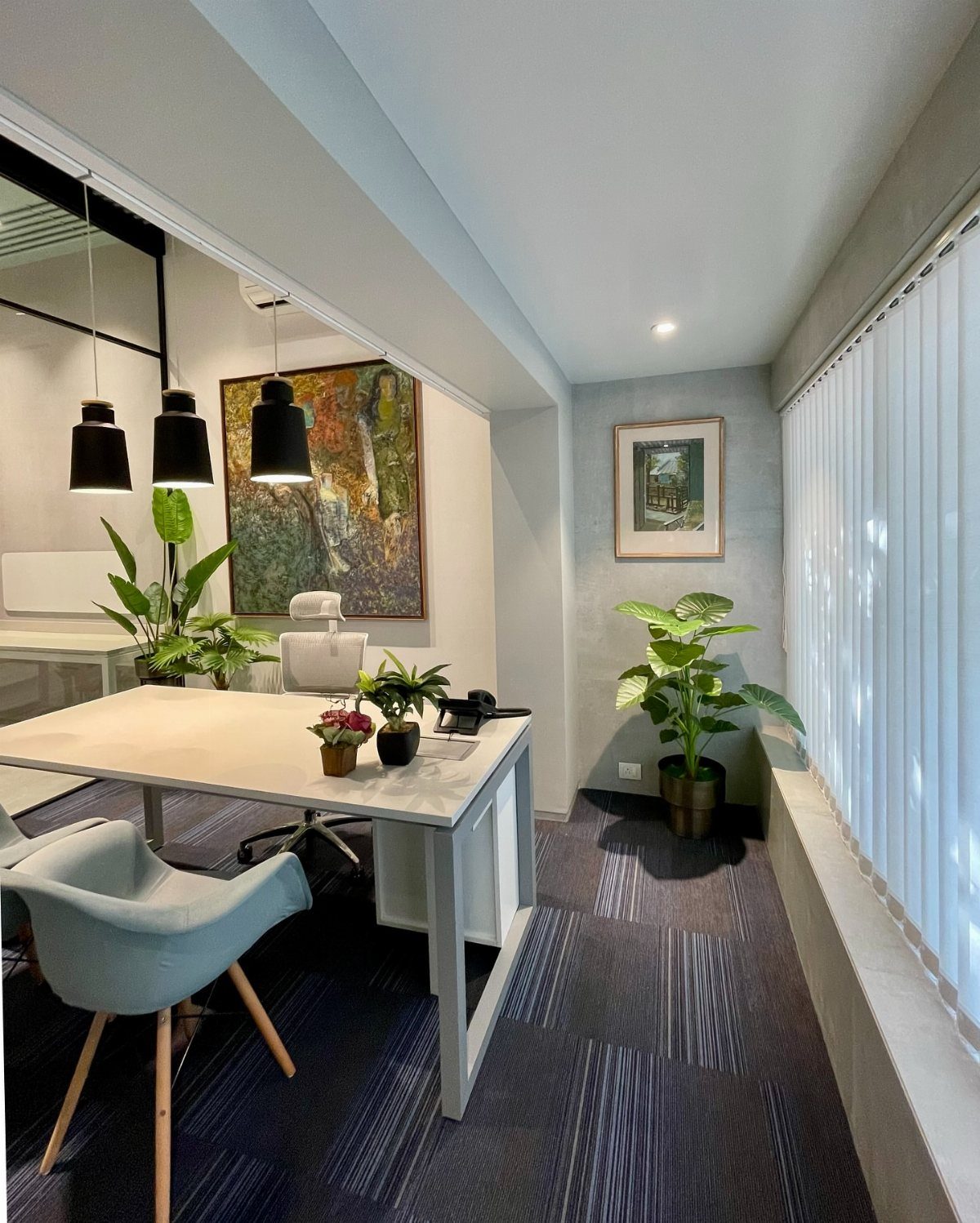
A desk placed beside a window gets the best light in a small room for free. Face the desk so the window sits to your side, which keeps glare off the screen while the daylight still reaches your work.
Vertical blinds let you tilt the slats and tune the brightness through the day. White furniture bounces the light around, and a couple of potted plants will use it well.
Move the desk to the window first, since a spot that gets daylight fixes more than any lamp or chair will.
15. Kitchen Workspace Setup
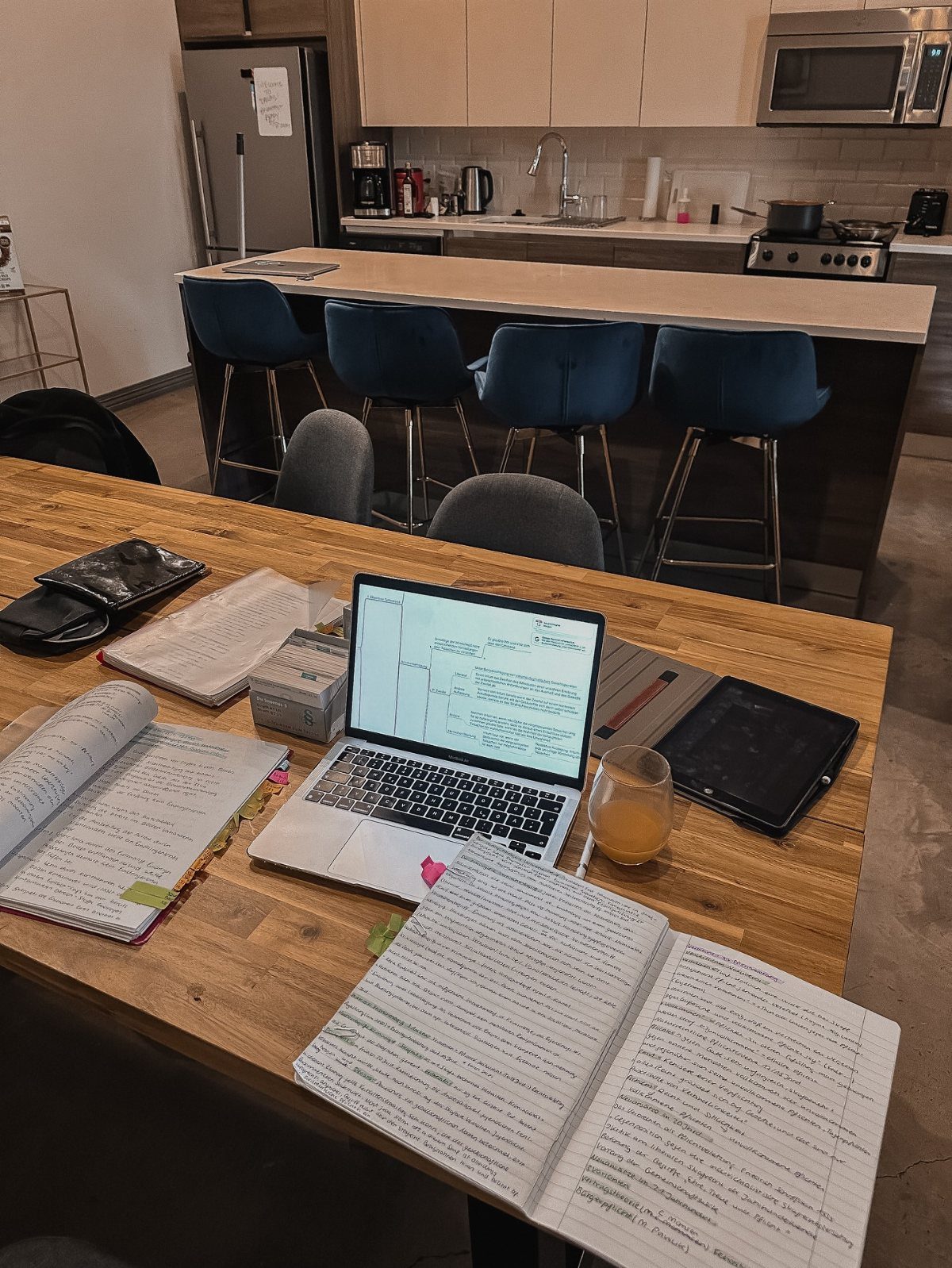
A wooden table in an open kitchen can serve as an office without any new furniture.
I prefer one that sits slightly apart from the breakfast bar, so your laptop, tablet and notebooks have a spot that isn’t also where people eat.
Clear the table when work wraps up, because a pile of papers and cords on a kitchen table never looks tidy. A small tray or basket collects the notebooks and cables in one move.
Blue stools nearby make the corner feel like part of the kitchen, not a cubicle.
Essential Furniture and Equipment
A corner desk is the first piece I would look at in a tight room, because it uses space that otherwise goes to waste.
In a corner, an L-shaped desk covers the same ground with a bonus: the second arm holds a second monitor or a laptop without crowding your elbows.
Pick a chair with adjustable lumbar support and armrests, since you will sit in it for hours.
Shelves, drawers or cabinets keep paper off the desk. A built-in unit suits a room you own, and a freestanding one moves with you when you rent.
Wireless gear cuts the cable tangle.
Decor and Personalization
Choose colors by how you want to feel at the desk.
Soft, neutral tones calm a room, while brighter shades push you toward creative work. In a small space, pick one direction and stay with it.
For art, hang what you actually like: posters, family photos, souvenirs, or a quote that motivates you. Pieces tied to your interests make the room feel like yours.
For a gallery wall, I hang the biggest piece first and build outward from it, so the rest of the frames have something to line up against.
Matching frames or a tight color palette pull the mix together and make a pile of prints look planned.
Plants soften the room and give it a calmer, more relaxed feel. They are also said to improve air quality, though I would buy them for the greenery first.
Tips for Staying Organized and Productive
Declutter on a schedule. A desk with only what you need leaves fewer distractions, and a quick weekly clear-off keeps it that way.
Draw a clear line between work and personal time. A designated workspace helps, and so does doing one task at a time instead of juggling several.
A 25-minute work timer followed by a 5-minute break, the Pomodoro method, is an easy way to keep focus in a small room.
Split large projects into smaller tasks and step away every so often; short breaks keep you from burning out by mid-afternoon.
A consistent morning routine tells your brain the workday has started. A walk, a few minutes of meditation or a decent breakfast all work; choose one you will actually repeat.
Frequently Asked Questions
What are some good office design ideas for small spaces?
A compact desk, a closet office, or a desk tucked under a staircase fits the tightest rooms. Each one uses space that would otherwise sit empty, and a shallow desk with a shelf above keeps the floor clear.
If the room also has to sleep a guest, a wall bed with a desk that folds down from its frame is a space-saving setup.
What are some hidden home office ideas?
A closet office hides best: shut the doors and the whole workday is out of sight. A wall bed with the desk mounted on its underside is the second option, because the mattress covers the work surface while it’s lowered.
How do I make a small home office feel upscale?
Layer texture and keep the palette quiet. Glossy ceramics on the shelves add contrast, and a single bold wallpaper behind the desk brings drama; renters can use a peel-and-stick version.





